Proforma Invoice vs Invoice: What a Proforma Is, When to Send One and What Happens Next
A proforma invoice tells a client what they are about to pay. It is not a tax invoice, it cannot be used to reclaim VAT and it does not belong in your expense records. Here is how to use one properly, on both sides of the deal.
What is a proforma invoice?
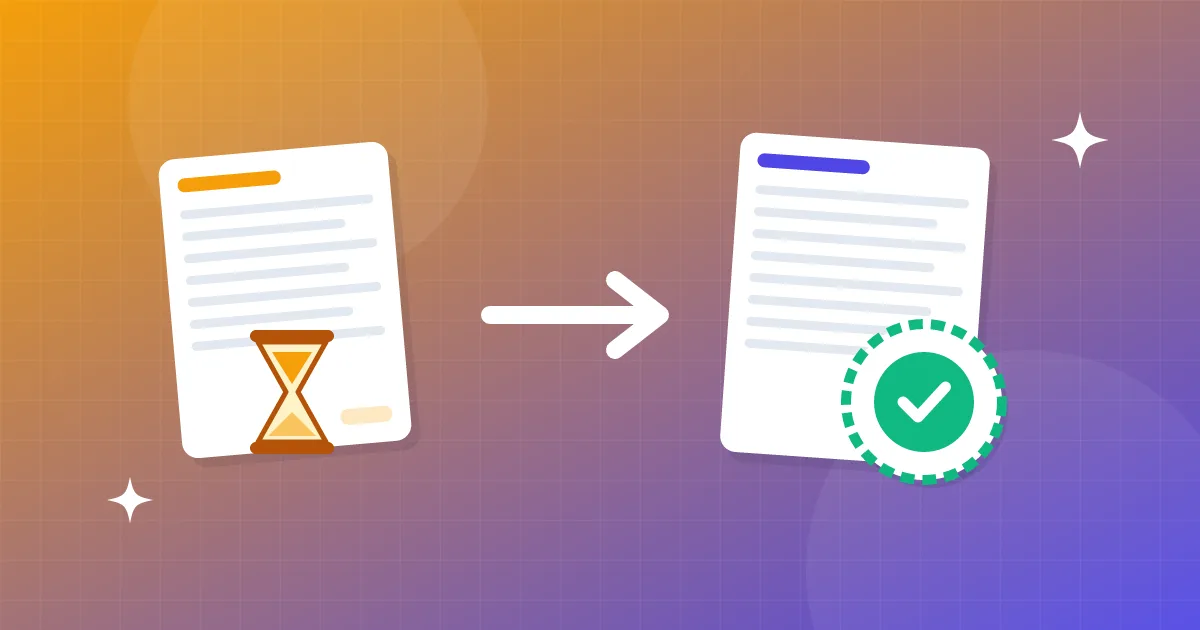
A proforma invoice is a preliminary bill sent before a sale is completed. It lists the goods or services, quantities, prices, taxes that will apply and payment terms, so the buyer knows exactly what they are committing to. The key difference from a normal invoice: a proforma is not a demand for payment that creates a tax record. It is not booked as revenue, and the buyer cannot use it to reclaim VAT or deduct an expense.
Think of it as a formal, detailed quote that looks like an invoice. Businesses use it when the buyer needs a document before they pay: to get internal approval, to arrange a bank transfer, to open a letter of credit, or to clear customs in advance. In Israel the same idea is called a *cheshbon iska* (transaction invoice or payment request), and it is widely used by freelancers who only have to issue a tax invoice once the money arrives.
If the different document types are still blurry, start with our guide to invoices vs receipts. A proforma comes before both of them.
Proforma invoice vs invoice: the differences
- Timing: a proforma is sent before payment or delivery. The final invoice is issued when the sale happens (payment received or goods delivered).
- Accounting status: a proforma is for information only. A final invoice is recorded in your books and in your tax returns.
- VAT: the buyer cannot reclaim VAT on a proforma. Only a valid tax invoice supports input VAT.
- Expenses: the buyer should not book an expense from a proforma. They need the final invoice or a receipt.
- Numbering: many businesses number proformas in a separate series so they never collide with the invoice sequence.
- Changes: a proforma can be revised freely before the deal closes. A final invoice is corrected with a credit note, not edited.
A commercial invoice in shipping is the final document that customs uses to assess duty. A proforma is often sent first so the buyer can prepare, and the commercial invoice follows with the shipment.
When to send a proforma invoice
- Deposits and prepayments: the client pays upfront and you deliver later.
- Corporate clients: their purchasing team needs a document to approve before releasing payment.
- International sales: for customs pre-clearance, import licenses or letters of credit.
- Cash-basis tax rules: where the tax point is the date you receive payment, a proforma lets you bill without triggering VAT on money you have not received yet.
- Large or custom orders: to confirm price, scope and terms in writing before work starts.
What a proforma invoice should include
- A clear title such as "Proforma invoice – not a tax invoice".
- Your business name, address and tax or registration number.
- A reference number and date, plus an expiry date for the offer if prices can change.
- The buyer's details.
- Description of goods or services, quantities, unit prices and the total.
- Taxes that will apply on the final invoice, shown as an estimate.
- Payment terms and how to pay (bank details or a payment link).
- For shipments: weights, country of origin, HS codes and Incoterms.
What happens after the proforma: step by step
- Send the proforma with the price, terms and payment details.
- The client pays, in full or as a deposit.
- Issue the final invoice for the amount paid, and reference the proforma number so both sides can match them.
- For partial payments, invoice what was paid and invoice the balance when it arrives.
- Close the proforma in your system or spreadsheet so it is not chased or paid twice.
Rules on when the tax invoice must be issued differ by country and by type of supply. In Israel, for example, a VAT-registered business generally issues the tax invoice within 14 days of the tax point. Check the rule that applies to you with your accountant.
You received a proforma. What should you do with it?
This is where many freelancers lose money. A supplier emails a proforma, you pay it, and the real invoice arrives days later in a separate email, or never. At year end your accountant gets a folder of proformas that cannot be used for tax.
- Do not book the expense from the proforma. Wait for the final invoice. What you can deduct is covered in our guide to deductible business expenses.
- After paying, check that the invoice arrived. If two weeks pass without one, ask the supplier. No tax invoice means no VAT reclaim.
- Do not pay twice. A proforma and a final invoice for the same deal look like two bills. Our guide to duplicate invoices shows how to spot it.
- Send only final documents to your accountant. See how to send invoices to your accountant.
To find the invoices that arrived after payment, search your mailbox for the supplier name plus "invoice" or "receipt" with attachments. Ready-made searches are in our guide on how to find invoices in your email. Or let Inbox Invoices do it: it scans your Gmail in the browser, flags emails that look like invoices and receipts, marks duplicates and downloads everything as a tidy ZIP with a CSV summary. You can connect your mailbox and scan for free.
Common proforma mistakes
- Issuing a final tax invoice before the client pays, and owing VAT on money you have not received.
- Forgetting the final invoice after payment because "the client already has a document".
- Booking a supplier's proforma as an expense or reclaiming VAT on it.
- Not labeling the document as a proforma, so clients file it as a real invoice.
- Not tracking open proformas. A simple sent / paid / invoiced table fixes this, and fits into a monthly bookkeeping routine.
Summary
A proforma invoice is a detailed payment request sent before a sale is final. It helps clients approve and pay, and it can stop you from paying tax on money you have not received. But it is not a tax document: the real invoice must follow once the sale happens, and that final invoice is what your accountant needs.
Want to skip the manual search?
Inbox Invoices scans your Gmail, finds invoices and receipts, and downloads them as one ZIP file. Free, no password, and your emails are never stored.
Find my invoicesFAQ
What is the difference between a proforma invoice and an invoice?
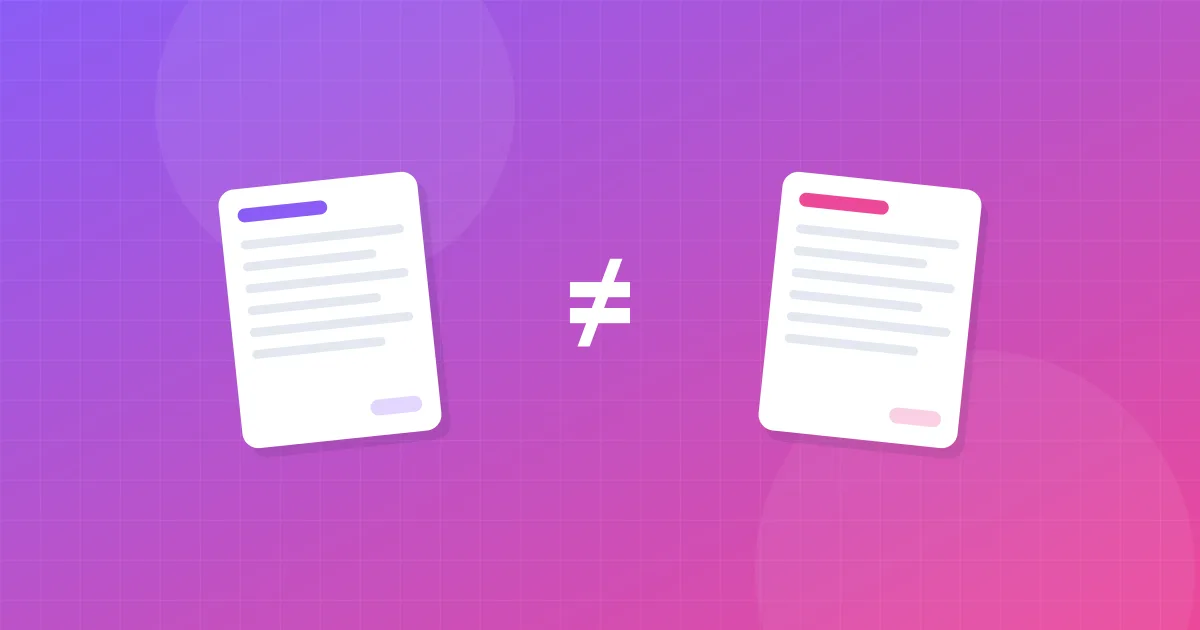
A proforma is a preliminary bill sent before payment or delivery and has no accounting effect. An invoice is issued when the sale happens, is recorded in the books and supports VAT and expense claims.
Is a proforma invoice a legal document?
It is a commercial document that records an offer, but it is not a tax invoice. It does not create a sale in your books and cannot be used to reclaim VAT.
Can I claim VAT on a proforma invoice?
No. Input VAT can only be reclaimed with a valid tax invoice. Wait for the supplier's final invoice.
Do I have to pay a proforma invoice?
A proforma is a request, not a binding demand. You pay it if you accept the offer, and the supplier then issues the final invoice.
Can a proforma invoice be changed?
Yes. Until the deal closes, a proforma can be revised and reissued. A final invoice is corrected with a credit note instead.
Should I send proformas to my accountant?
Generally no. Send the final invoices and receipts. A proforma is useful only to show what was agreed, or to chase a missing invoice.
Next guide
How to Scan Receipts for Your Accountant: Apps, File Names and What to Do With the Paper
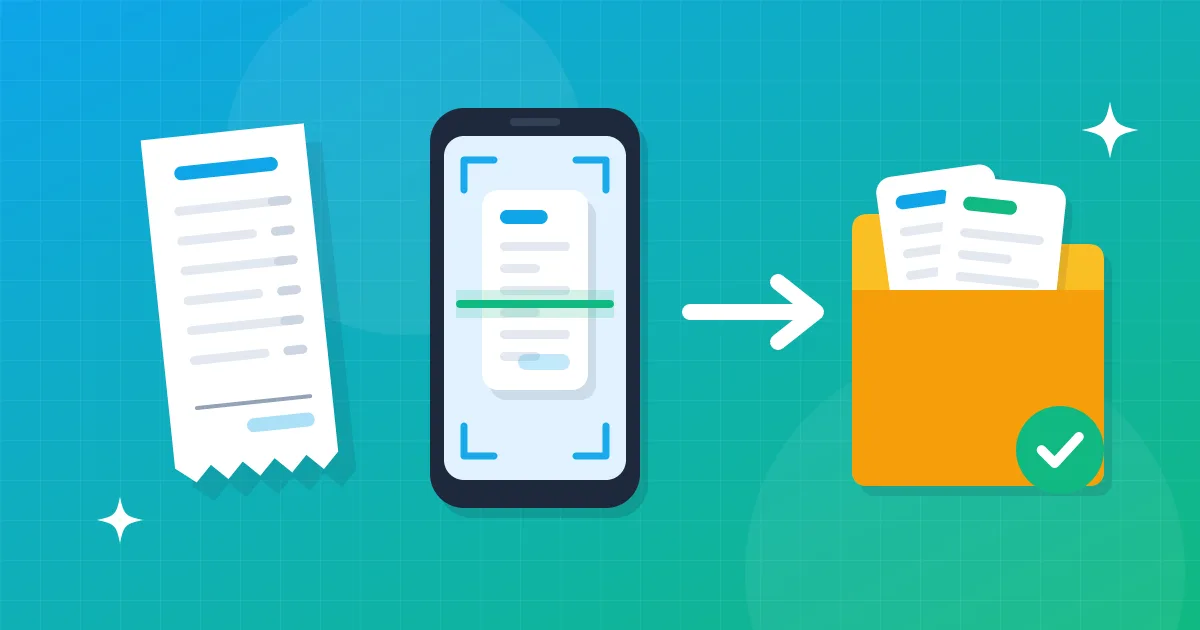
A paper receipt you never scanned is a receipt you will lose. Here is how to scan receipts with your phone so your accountant can actually use them, how to name and file them, and when it is safe to get rid of the paper.
More guides
Invoice vs Receipt: What's the Difference (Plus VAT Invoices, Pro Formas and Credit Notes)
Read the guide
How to Invoice When You're Not VAT Registered: A Practical Guide for Small Freelancers
Read the guide